
Food-friendly Neighbourhood Plan: Bathurst-Finch

Neighbourhood profile

Population: 24,403
Area: 3.6 km2
Median after-tax income: $39,925
% low income after-tax: 24.9%
(City of Toronto/2006 Census)
Detailed area profile

About this neighbourhood

Bathurst-Finch, also known as Westminster-Branson, is one of 13 priority neighbourhoods in Toronto. Located at the top of the city, it is anchored by a corridor of highrise apartments extending north to Steeles Ave along Bathurst St. The percentage of highrise dwellings in this neighbourhood is double the city average and they are home to a largely senior and Russian-speaking population. G. Ross Lord Park is a key landmark in this neighbourhood.

Retail

Findings

Grade

Only two of the five supermarkets in the area are discount retailers. Recently a Price Chopper at Cedarcroft closed, which leaves a large gap in walkable retail food options.

Many residents said that while prices are reasonable in the area, the selection of produce and accessibility is lacking. They also suggested that it is a struggle to go shopping when relying on TTC, especially in the winter because many of the bus stops have inadequate bus shelters.

Produce Markets

A Good Food Market runs once per week in the summer and fall. The program’s capacity is quite limited and it is almost entirely volunteer-run.

Some residents reported that they travel all the way to Downsview Park’s market to get better prices on their produce.

Challenge:

The Bathurst-Finch Network Food Action Team initiated a seasonal Good Food Market in 2011 which began to gain traction in the neighbourhood with the support of a dedicated community animator. The market is preparing for a return engagement in 2012, although the same support is no longer available. Without a staffing commitment from a lead agency, it will be difficult for this market to find success.

Opportunity:

Institutional support for the market should be explored by encouraging local organizations to direct some of their food budgets towards market purchases. The purchases woulld reduce the amount of staff time directed to purchasing from retail stores and provide a reliable source of revenue for the market.

Who should be involved:

  • Organizations with food purchasing budgets, including Circle of Care, Unison Health and Community Services, North York Community House, Toronto Public Health
  • Bathurst-Finch Network Food Action Team

Food Assistance

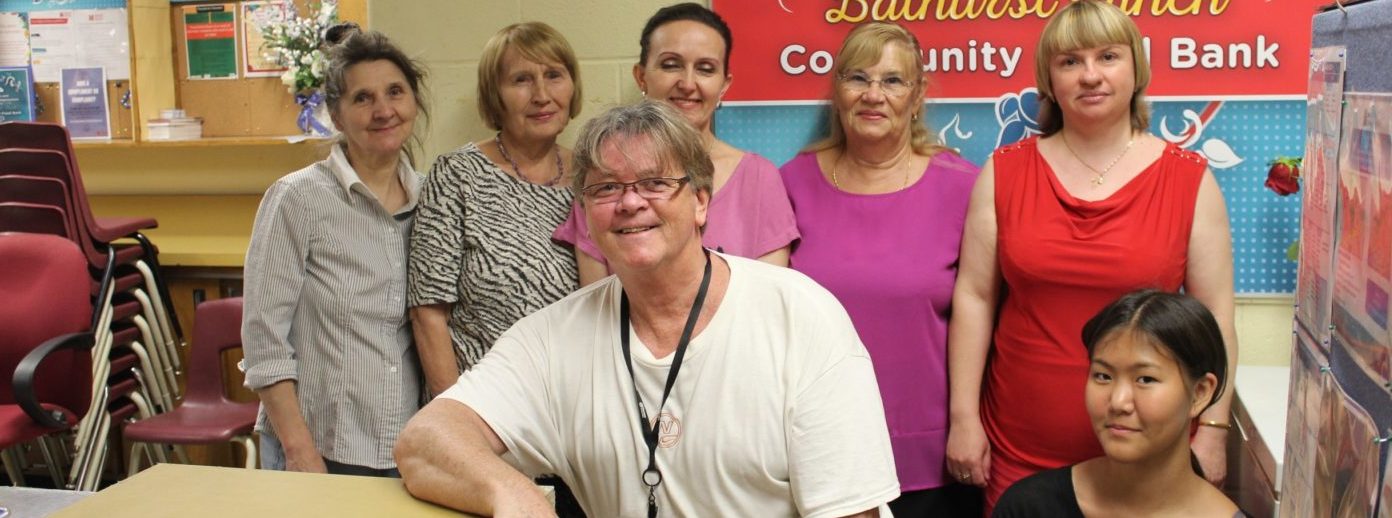
Recently, North York Harvest opened the Bathurst-Finch Community Food Bank in Northview Heights Secondary School. The program runs three-times per week and it has expanded rapidly in its first few months. This complements the kosher food bank operating at the Pride of Israel Synogague and a smaller food bank at Willowdale Seventh Day Adventist Church.

A monthly Women’s Dinner program runs through the Bathurst-Finch Network.

Food Skills and Growing

A community garden operates at the Rockford Public School; however, this program is at capacity and has a waiting list. The Bathurst-Finch Food Action Team has been working to start a second community garden.

North York Community House is currently operating a weekly drop-in community kitchen program at Fisherville Junior High School.

Opportunity:

The interest in developing more growing spaces in the neighbourhood is high as evidenced by the success of the Rockford Public School garden. There is no shortage of green spaces in this neighbourhood in which planting could happen, particularly on Toronto District School Board or City of Toronto properties. G. Ross Lord Park is an ideal location for the next site. A small start-up grant and permission from the City of Toronto would be required to get this project started.

Who should be involved:

  • Bathurst-Finch Food Action Team
  • Ward 10 Councilor Pasternak
  • FoodShare Toronto
  • City of Toronto

Opportunity:

The soon-to-be-built Bathurst-Finch Community Hub will have a commercial kitchen space as well as a community garden. Linkages will be created with the Bathurst-Finch Community Food Bank and other food programming (see "highlights").

Who should be involved:

  • Unison Health and Community Services
  • United Way Toronto
  • City of Toronto
  • Community Hub partner agencies
  • Toronto District School Board
Javascript is required to view this map.

Retail

5988 Bathurst St
6243 Bathurst St
5984 Bathurst St
800 Steeles Ave West
330 Steeles Ave West
Unit 1
4750 Dufferin Street
1051 Steeles Ave.
600 Sheppard Ave West
6201 Bathurst Street
51 Gerry Fitzgerald Dr
390 Steeles Ave West
925 Alness St.
309 Finch Ave West
4400 Dufferin St

Produce markets

Antibes Community Centre
140 Antibes Drive

Food assistance

Northview Heights Secondary School
550 Finch Ave West
Room 130
Various locations
Pride of Israel
59 Lissom Crescent 
Antibes Community Centre
140 Antibes Drive
535 Finch Ave West

Food skills and growing

4169 Bathurst Street
Rockford Park
70 Rockford Road

Community Voices

“My neighbourhood needs a community kitchen program, more community gardens, and a mobile food bank. There is no retail location within walking distance”

“No retail options within walking distance, they are very expensive and offer little selection”

“It is great to see community members meet and share experiences at the community garden”

– from participants at the Bathurst-Finch Community Food Bank


Bathurst-Finch Community Hub and partnerships with Northview Heights Secondary School

Bathurst-Finch Community HubThe soon-to-be-built Bathurst-Finch Community Hub, expected in summer 2012, will be a destination for food-related programming in the neighbourhood. Located next to Northview Heights Secondary School at Bathurst and Finch on Toronto District School Board property, the hub will house a kitchen facility, community garden, and programming that promotes nutrition education.

Anchored by Unison Health and Community Services, the hub will also host a number of partner agencies that utilize food in their programming. In addition, the hub will offer both community and medical services as well as community meeting space.

There is also a new community food bank that opened in Northview Heights Secondary School and, with the support of the Ontario Trillium Foundation, Unison Health and Community Services, North York Harvest Food Bank, FoodShare Toronto and Circle of Care are collaborating on building strong relationships between the new food resources at the hub and those existing in the neighbourhood. This collaboration envisions a coordinated approach to programming that connects people together through food.

How can you contribute to a "food-friendly" neighbourhood?

Tell us what you think about this Food-friendly Neighbourhood Plan:

  • How can this neighbourhood become more "food-friendly"?
  • What opportunities are there?
  • What actions would you recommend?
  • Did we miss an important neighbourhood food asset?
  • Are there some food assets that have recently changed?
  • What has this done to improve or hinder a "food-friendly" neighbourhood?