Every month North York Harvest helps over 16,000 people meet their food needs. And we need YOUR help!
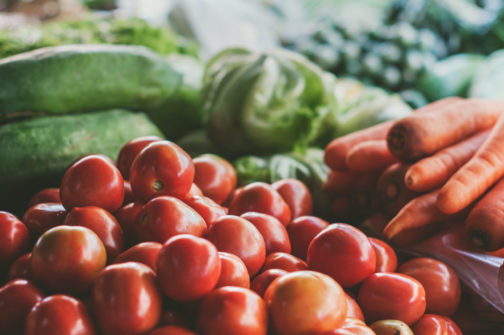
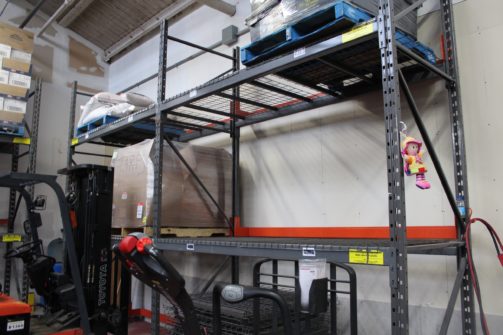
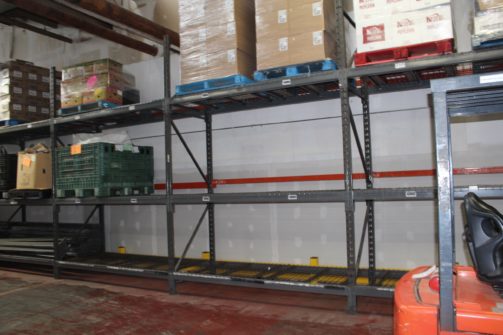
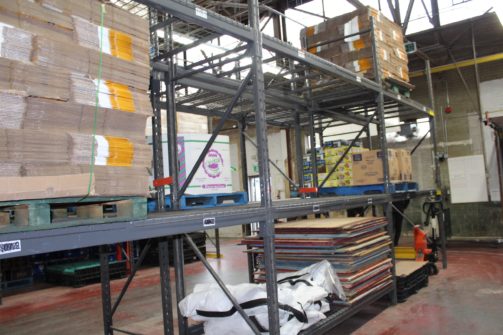
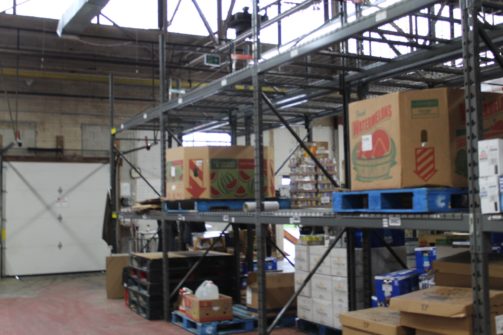
Our shelves are almost empty and we are out of stock on key items such as canned tomatoes, rice, beans, cooking oils, baby food and canned fish.
With 47 member agencies and 77 food programs throughout Toronto needing orders filled, we are having a hard time making those orders possible. We’ve had to cut back on deliveries because we are simply out of stock.
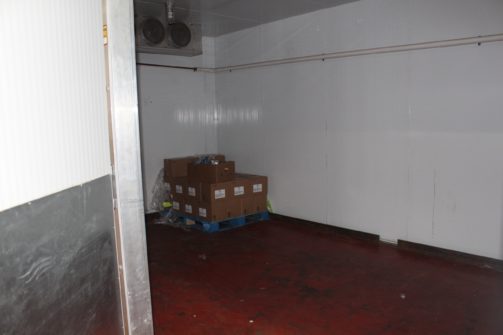
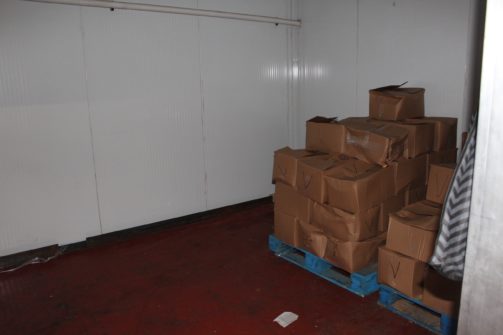
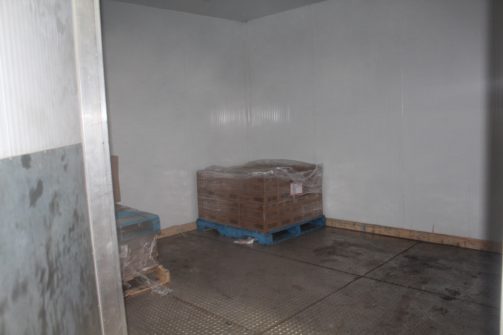
The shelves, freezer and fridge are bare. But YOU can help make a difference!
Comments Off on Income Security: A Roadmap for Change
Recently the Ontario government released a new report in an effort to deal with the issue of income security, something that affects all of us.
North York Harvest is the primary food bank for all of northern Toronto, representing more than 1/3 of the geography of the city. Each month we ensure that more than 16,000 individuals receive vital food support. Over the 30+ years our organization has been serving this community the demand for emergency food support has never been as high as it is today and we believe numbers will only continue to increase.
We are so happy to see this type of report coming out of government. This is the first report during our 30 years supporting our community that recommends major investments in and improvements to programs that affect the lives of low-income people in Ontario. The report demonstrates a commitment to a fundamentally different approach to supports and services, putting people, and their needs and rights, at the centre.
We ask you to adopt these recommendations, but, especially where OW and ODSP rates are concerned, ten years is too long to wait.
We see clearly, at our food banks and beyond that far too many Ontarians need support immediately; people are going hungry, losing their housing and suffering unnecessary health crises at this very moment because they simply do not have enough money to live a healthy and dignified life in this province.
At North York Harvest we are deeply concerned with the current state of the income security system in Ontario. 1 in 8 households in Toronto are food insecure meaning that they lack the access to the food they need to properly feed themselves or their families. Thousands of children, seniors, single parents and adults are going hungry each day in Ontario.
Food is one of the very few “flexible” costs in the lives of people on low-incomes. We know people are skipping meals, or going whole days without food, so that they can pay for housing, prescriptions and so their children can eat. This is unacceptable anywhere, but especially in a province as progressive and wealthy as ours.
The reason for this is quite clear. People cannot access the food they need because of inadequate incomes.
29% of food bank clients in Toronto are on OW and 35% are on ODSP. The fact that the majority of people we see coming through our emergency food programs are receiving social assistance clearly shows that the rates are unacceptably low.
Food banks provide an undeniably important support to thousands of people. But food banks do not replace an adequate social safety net and cannot solve the problem of food insecurity. Simply put, food bank clients will never be able to access the food they need to feed themselves and their families without sufficient incomes.
We support the vision, principles and recommendations in the Roadmap and know that, if acted upon, they would have a deep impact on the well-being of people on low-incomes in northern Toronto and would do so with dignity and respect.
We urge the province to adopt these recommendations and to do so as quickly as possible. Government must take action now to make life better for low-income people in Ontario.
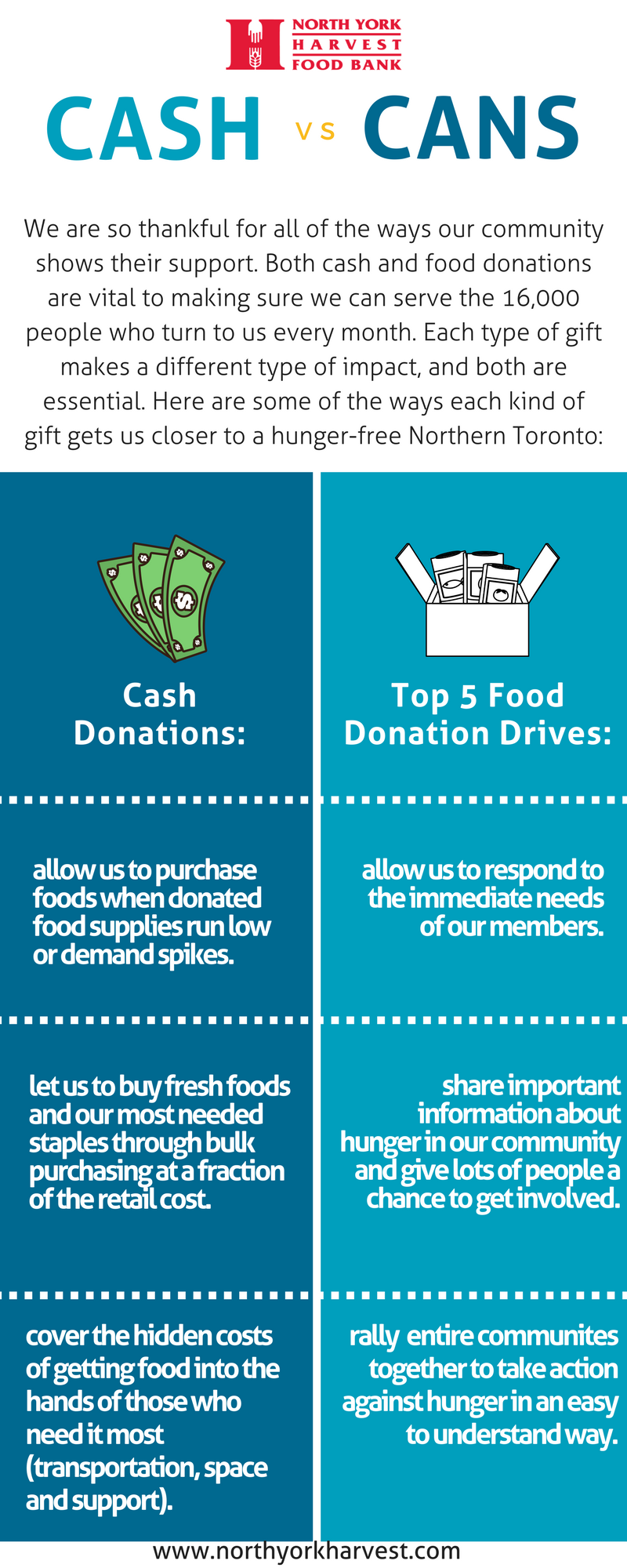
There’s been lots in the news recently about how best to support food banks. We’re grateful for all of the ways our community takes action against hunger, and each type of gift is essential in making sure 16,000 people each month have the food and support they need to thrive.
Together we can make a difference and leave hunger behind!
Comments Off on
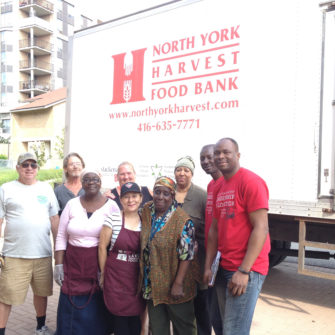
Hi There! My name is Harvey and I’m a North York Harvest delivery truck. I have an amazing job! Every day I get to drive around northern Toronto delivering nutritious food to our neighbours in need. Maybe we’ve crossed paths once or twice?
I get to visit 77 community programs in North Toronto, including food banks, shelters, meal programs, prenatal programs, community kitchens and after school programs. My job is to make sure that the food that you donate gets into the hands (and stomachs) of people that rely on these programs.
Not long ago I met Holly, a food bank member and volunteer when I dropped food off to her local food bank. She wanted me to share this message with you:
“Because of the Food Bank, not only have I made new friends, and gotten the food I need to stay healthy, I was also given the gift of giving back. I no longer just have a place to live, I have a home!”
My next stop is Kathryn. She helps women get the nutrition they need to raise healthy children. This is especially important because in some parts of the city (including where Kathryn works) 1 in 2 children live in poverty. That statistic is heartbreaking, so we’re pitching in to help. Together we’re making sure Kathryn has the food she needs to provide expecting moms with hot meals, nutritional advice and food to take home.
Later in the morning, I visit Norma. Norma runs a seniors lunch program in her neighbourhood. She told me she was so happy to see me because my delivery makes sure seniors have a hot meal to eat and friends to share it with. Thank you for making that possible! Your support allowed me to bring healthy food to Norma so she could cook up a feast for her neighbours. She told me about the first meal the group shared together – homemade chicken noodle soup. “I was almost in tears when a client told me she couldn’t remember the last time she had homemade soup.” The idea of having a homemade bowl of soup may not seem like much, but to the people I visit, it makes a world of difference.
My last delivery is to Layla at the Oriole Food Space. Layla lost everything when she had to leave her home country. Thanks to your support of the food bank, she had somewhere to go to help her get back on her feet. She wanted me to share this message with you: “Because of the food bank, I was able to feed my kids, feel safe and build a new life. I am so grateful.”
As you can see, my job is super important. But I can’t do it without you. Just like you need to fuel yourself up for busy days, I do too. Do you think you can help us raise $5000 to keep me on the road? Each month I make sure that more than 16,000 people get the food they need to thrive – and they, just like everyone else at North York Harvest Food Bank (especially me!) would be incredibly grateful for your support!
Just $50 will keep me on the road for an entire day! And if you make a gift of $250 it keeps me truckin’ for an entire week – that’s a LOT of deliveries thanks to you! THANK YOU!
Comments Off on Setting the Table – The Power of a Meal
A message from Aniska Ali, North York Harvest’s New Director of Development and Marketing
As Thanksgiving approaches, I, like many of you, am preparing to welcome family and friends to my home. Pumpkin printed napkins have been fished out of storage containers, recipes have been bookmarked, and shopping lists have been made. My daughter has been collecting leaves for weeks for our table’s centerpiece, her part of our family’s annual tradition. On Monday, she’ll help set the table, and I’ll fuss in the kitchen, bickering with my husband and my sister about how much sage to add to the stuffing and how frequently to baste the turkey. These are our rituals, these are the acts that make Thanksgiving familiar and special – these are things I’ll remember as time goes by.
Food is a big part of my life. Talking about the power of it, and sadly, the lack of it for so many in our community fills my days. What often gets lost in our rush to make sure there’s enough is an understanding of the role food plays in uniting us. The sharing and enjoyment of a meal is a simple, but profound, pleasure that brings us together, across cultures, ages and backgrounds. Eating together is, and should be, a daily experience of connection.
Unfortunately that is simply not the case for the 15,000 people we serve each month. Skyrocketing housing prices, precarious employment and social assistance rates that have failed to keep up with the cost of the living put the joy food brings out of reach for so many of our neighbours. Sadly, we know all too well that loneliness and isolation go hand in hand with living in poverty.
That’s why North York Harvest offers programs like community kitchens to give people in our neighbourhood a chance to meet friends, cook together, and share a meal in a welcoming place.
As Maudlyn, one of our members and a retired caterer told us recently, “This program is a commitment to myself. It gets me out of the house to socialize with others. My favourite part is actually setting the table, it feels like we are having a real family meal”.
Thank you for making stories like Maudlyn’s possible. Thank you for believing as we do that, everyone deserves a safe place where they can meet people, build friendships, feel included and eat delicious food regardless of their income. Thank you for investing in programs like these that make North York Harvest so much more than a food bank. We hope you know just how much your support means to us and the community we serve.
Every day, people in your community rely on food banks to put food on the table for their families. In fact, North York Harvest helps more than 15,000 people meet their basic food needs each month. Many people don’t know that over 30% of people using our food bank are children – and a growing number of them in our community will be going back to school this year without enough food to be healthy and successful in school.
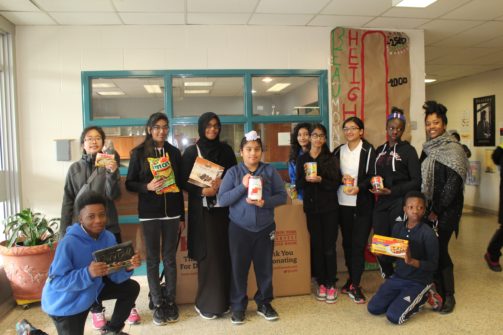
Tricia is a teacher at Beaumonde Heights Junior Middle School, one of our local schools. She sees many students coming to school with empty stomachs. Her students understand what it is like to use a food bank – either because their own family uses one, or one of their friends.
Beaumonde Heights JMS has hosted food drives for North York Harvest for 15 years, and this year is no different. All students get involved in the food drive to support their school, friends and neighbours. They know just how important these programs are.
Of course, childhood hunger is a symptom of family poverty. North York Harvest and our agencies are on the frontlines of a childhood poverty epidemic: according to a recent report, nearly 27% of children in Toronto live in poverty. In the North York community, that percentage is much higher. In some of our neighborhoods, almost 44% of children are living in poverty – and are much less likely to have access to enough healthy food to be successful in school.
We are facing serious challenges in this community. But every day, we are inspired by acts of compassion from people like Tricia who are determined to make a difference in the lives of kids in North York.
Today you can take action to join Tricia and the students from Beaumonde Heights in making a difference for kids heading back to school this fall. By making a gift to North York Harvest Food Bank you will be helping thousands of kids and their parents that rely on programs that provide healthy meals and snacks.
All children, no matter where they live or what their circumstances, deserve the same opportunity to succeed.
There has been quite a lot of talk about basic income lately in the news. A basic income is a guarantee to Canadian families and individuals that they will be able to meet a minimum income level regardless of employment status.
This could mean big things for the hundreds of thousands of people in Toronto that struggle to make ends meet to pay for everyday needs such as rent, utilities, transit and food.
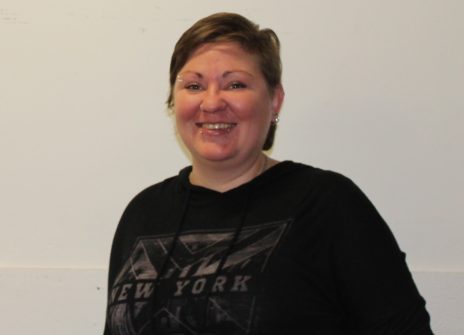
This has come up for a lot of debate among Canadians. It also raises a lot of questions about the impact on our communities and economy. In an effort to answer some of the most asked questions about basic income, I spoke with Elaine Power, co-founder of the Kingston Action Group for Basic Income Guarantee.
How do you think basic income will benefit the community?
If we had a basic income program that was available to all who needed it and a basic income program that effectively eliminated poverty, there could be dramatic benefits to the community. The research suggests that public health would improve and health care costs would drop. Eliminating poverty means that kids would have a better start in life, do better in school and have fairer chances in life, and this could also decrease crime rates over time.
If we take away the desperate need for people to find any kind of work that they can, it could liberate people to engage their passion and contribute to their communities through volunteer work and the arts, or to take risks, e.g., with a small business, that they wouldn’t otherwise do. When people have basic economic security, it enables them to dare to do new & different things.
I believe that a basic income program will help build social solidarity, to rebuild a sense of the collective, that we are part of neighbourhoods and communities.
How will this impact the economy & the taxpayer?
People who live in poverty spend their money on basic necessities, like food, shelter, clothing, activities for their kids. They won’t be taking their money out of the country for expensive vacations. That will have an economic multiplier effect, and could make a profound impact in smaller, more rural communities that are struggling.
Research shows that poverty has a high economic cost and that poverty reduction has a big return on investment. A report by the Ontario Association of Food Banks suggested “With the huge savings that could be achieved over time by reducing poverty and its burdensome social costs, the province could very likely pay for the need mix of policies without asking taxpayers for anything more.” The Canadian Centre for Policy Alternatives has calculated that every dollar invested in reducing poverty would result in about a $2 return on investment. In other words, poverty reduction is at worst cost-neutral and likely would save money over time.
Do you feel as though there could be any negatives/drawbacks that come from having a basic income?
Well, the negatives or drawbacks depend on the type of basic income program that would get implemented. There are different models. Some on the political right would like to see the implementation of a basic income in order to reduce other government supports and services, like public housing. This would not improve the lives of people living in poverty or likely reduce poverty overall, because people would have to pay more of their income for what are now public services. We would not see the types of economic savings I mentioned above in that case.
I am a proponent of a progressive basic income that is part of rebuilding the social safety net, would improve the lives of people living in poverty and would result in dramatic reductions – or the virtual elimination – of poverty.
How will this affect the food bank and food bank users?
The best sign of the effectiveness of basic income or any poverty reduction/elimination strategy would be that food banks are able to close up because of lack of demand. Those who founded food banks back in the 1980’s thought that food banks were an “emergency” response to an economic downturn and that they would close once the economy improved. I have a report from a meeting of food banks in Toronto and area from 1991 that wrestles with the question of when and how Toronto food banks might close. An effective basic income would allow food bank users to acquire food like everyone else. They still might choose to attend hot meal programs, food skills programs, community gardens and community kitchens – but there will be more freedom and choice to do that, not a sense of dire need.
Is the proposed amount of $16,989 enough to get by for individuals?
Like social assistance, the problem with a fixed amount is that the cost of living varies quite a lot across the province – from Toronto to Windsor to northern Ontario. As I understand it, the rationale for making it less than the LICO ( low income cut-offs) or the LIM ( Low Income Measure) is that people will get other federal income transfers, like the GST credit. But I suppose part of the idea of the pilot is to assess if the amount is enough.
Others, like Guy Caron, who is a candidate in the federal NDP leadership race, has proposed a basic income that would be set using the Low Income Cut-off or LICO which is adjusted for city and family size.
What do you say about the idea from opposers that people will go on BI just to “stay home and be lazy”?
This is probably the most common oppositional response to the idea!!
If you ask people if they (personally) would just stay home, everyone says “of course not!.” The reality is that about 70% of people who live in poverty are working, which speaks to the inadequacy of minimum wages.
The reality is that any basic income, whether the Ontario pilot amount or an amount tied to the LICO, is not luxurious. Most people will want to seek paid employment to supplement their incomes. And most people work for reasons other than money.
And the other issue that this objection is based on is that the only work that is valuable is paid employment. We do all sorts of unpaid, unrecognized, invisible work at home and in our communities, including all the volunteer work that gets done for and at food banks. This is valuable and important work. What basic income will help us do is to decide where to put our time and energies in activities that are meaningful and important for us and for our communities. Some people may “stay home and be lazy” for a little while. Most people would not do that for very long – and if they do, perhaps they need other services to help them find meaningful activity.
The benefits of a progressive and effective basic income for those living in poverty and for our communities overshadow the objection that a small percentage of people might “stay home and be lazy.”
Isn’t it amazing what can happen when a community comes together to complete a project and make a difference?
With your generous support, North York Harvest has become the primary food bank in northern Toronto. Thanks to you we are able to give nutritious food to over 77 food programs in the city.
But what if we could take it another step further? What if we could produce a food product to even out the supply and quality of food received through donations?
The vision of North York Harvest is a community where all members are able to meet their food needs. Our mission is to engage our community in meeting the food needs of northern Toronto by providing dignified food assistance, education and long-term food solutions.
Each day we strive to meet that vision and mission.
As a community, we have succeeded in kickstarting a new social enterprise thanks to partnerships right here in Toronto.
Through the generous support of the Metcalf Foundation’s Inclusive Local Economies program, we were able to forge important partnerships with other local organizations working to improve food security in unique ways. Through these partnerships, we launched three incredible initiatives – we began delivering food to local child care centres, we launched the Leadership In Logistics skills development program, and we piloted community-oriented food production system. Through the last project, we successfully brought an affordable, nutritious dry soup mix to our local community.
With funding secured we were able to team up with FoodShare and Food Starter, to create a dry soup mix that promotes access to affordable, delicious and nutritious food for all.
To get started, North York Harvest asked our agencies what types of food were most needed and hardest to supply for the clients.
Within the agencies, there was a need for a hearty, vegetarian soup made with beans and rice that was nutritious but also easy to prepare. For certain dietary needs, it was also important that the soup was low in sodium but still flavourful without being spicy.
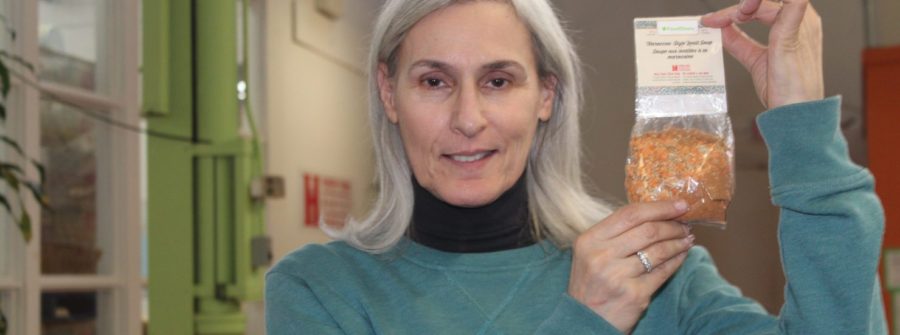
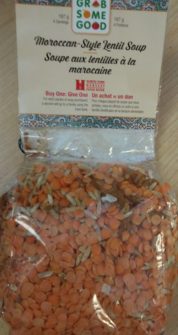
Together through our partnerships, we made a unique Moroccan Lentil Soup. It was sold in FoodShare’s Good Food Boxes and the Grab Some Good pop-up markets operating on various TTC subway platforms. And what is even better is for every soup sold… another soup goes on the shelf for someone using the food bank!
It was a hit!
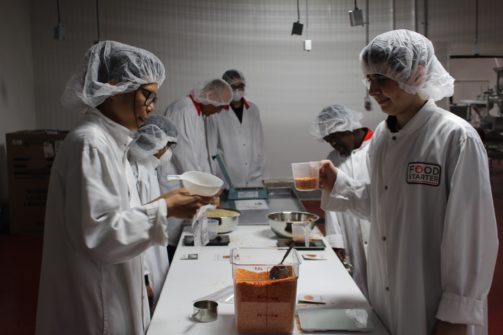
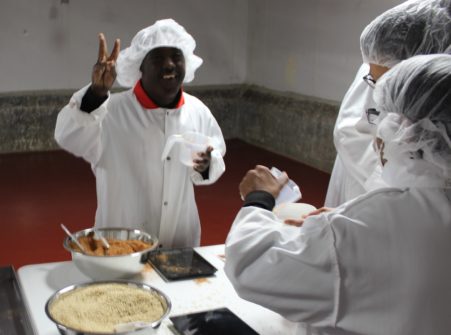
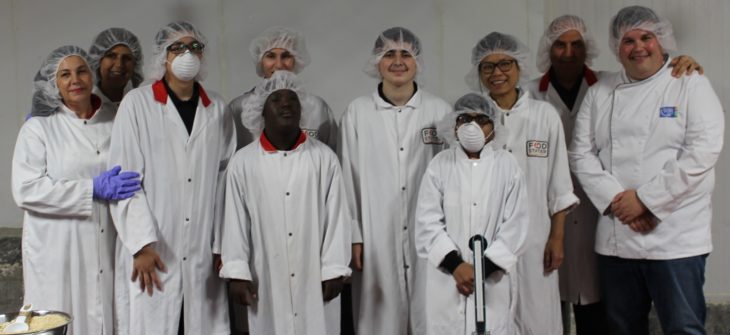
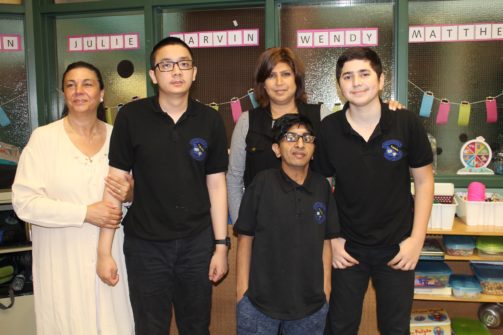
To prepare the soup mix, we teamed up with the Experiential Learning program at York Humber High School. The students in this program have special needs and are encouraged to learn life skills through hands on training and real life experience. Each week the students would join Vanessa Yu from caterToronto at Food Starter to prepare several bags of soup that would be given to our community.
When I met the kids I asked what their favourite part of making the soup was and they seemed to all enjoy sealing up the soup packages the most! They even took soup home to cook and enjoy with their families.
The kids’ teacher, Carmi, says ‘We were so fortunate to have had the opportunity for some of our students to participate in a meaningful real work experience with the NYHFB. Students really enjoyed the experience and gained valuable employability skills while increasing their self-esteem. It was wonderful to watch them learn new skills and progress each week. We all look forward to continuing our partnership with the NYHFB and thank them for all their support over the last few months.’
We are so excited to move forward with this project and to be able to share this soup with you!


 This has come up for a lot of debate among Canadians. It also raises a lot of questions about the impact on our communities and economy. In an effort to answer some of the most asked questions about basic income, I spoke with