Volunteers: Vital to Our Community!
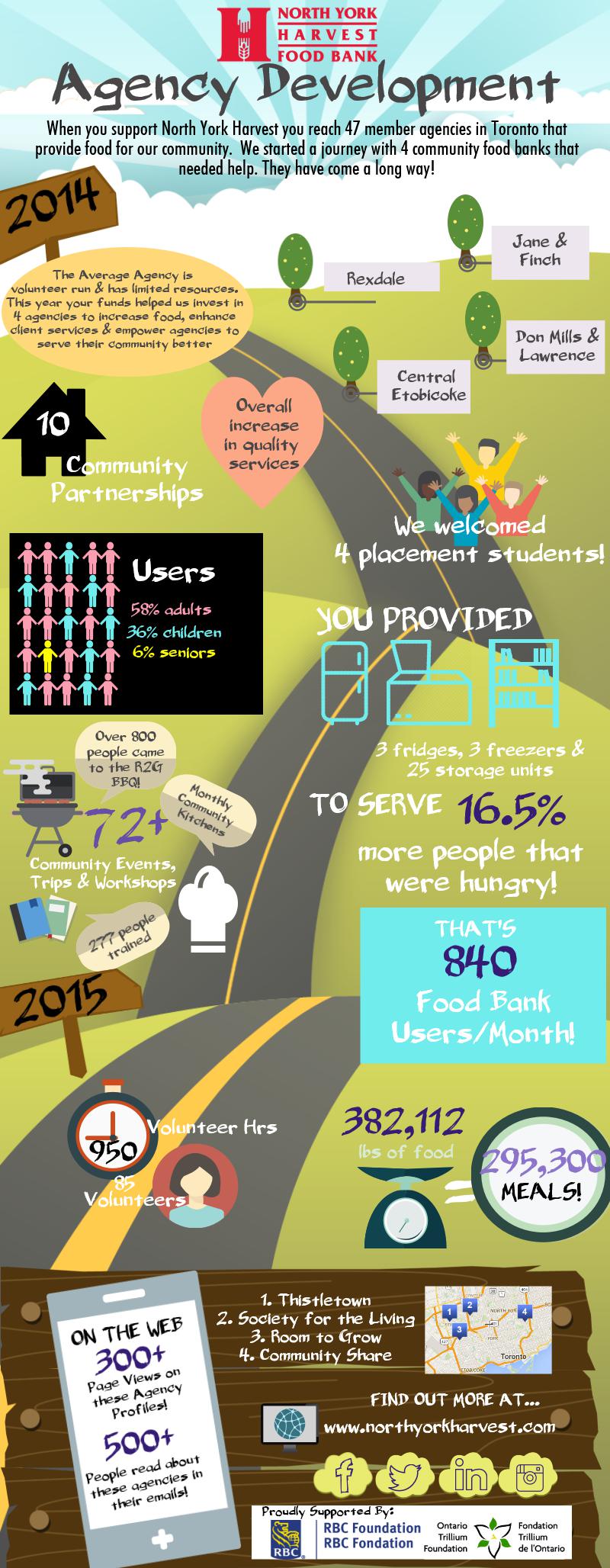
Comments Off on Volunteers: Vital to Our Community!Without the help of our INCREDIBLE volunteers it would not be possible to serve over 13,000 people every month!



Without the help of our INCREDIBLE volunteers it would not be possible to serve over 13,000 people every month!
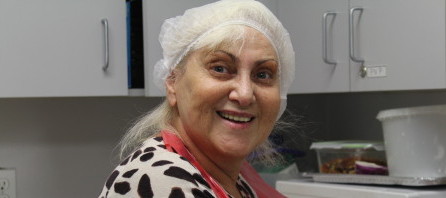
Volunteers are incredibly important to their community! I get to meet fantastic volunteers of North York Harvest every day and they always have a smile on their face and a great story to tell.
Volunteers are the lifeblood of any nonprofit organization! Without your help, charities like North York Harvest would not be able to collect, sort and distribute millions of pounds of food that serves over 16,000 people each month!
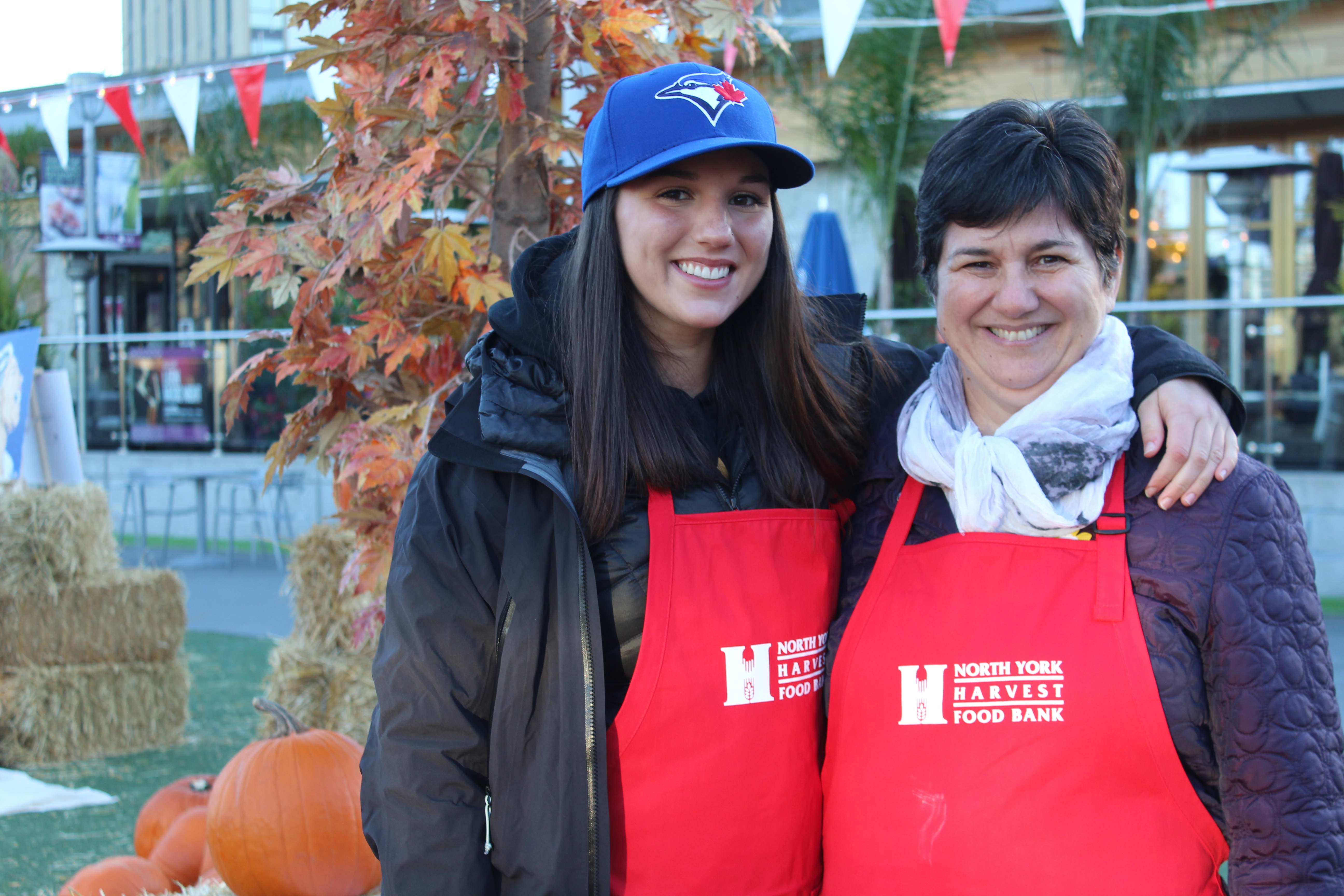
Did you also know that there are many benefits in becoming a volunteer?
1. Learn a new skill. Did you know NYH volunteers learn skills such as safe food handling, cooking, building a budget and much more?
2. Make new friends and meet interesting people. Meet new people with similar interests or people from different walks of life. Bond with others while helping out in your community.
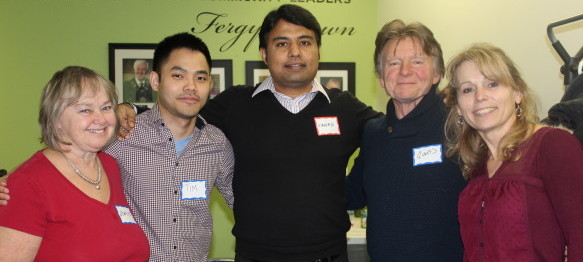
3. Boost your resume. Volunteering is a job even though you aren’t paid to do it. Many employers and colleges find the skills you gain from volunteering very important when looking for a person to hire.
4. Increase self-confidence. When you do good in the community, it really gives you a feeling of accomplishment and pride. These feel good feelings will go with you into other areas of your life such as work or friendships.

5. Stay physically fit. Many of the volunteers at North York Harvest lift boxes and are on their feet moving around to sort food or serve food bank clients. But even if you have limited mobility there are many other ways to get involved such as making phone calls and helping in the office!
6. Set a good example for your kids. Steffi volunteers with her family sorting food in the warehouse. “We serve as examples for children through our actions more than our words. We have not ever used a food bank and many need to. So I want my children to understand this is a reality for many people in Toronto”.
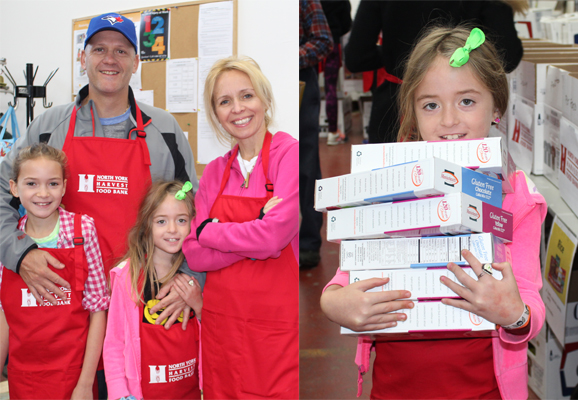
7. Minimize stress. Move beyond your day-to-day troubles that can arise from your job or stress at home.
8. Make a difference! Volunteers are essential to maintaining a thriving community! It wouldn’t be possible without you!
What do you think of when you imagine a food bank? I used to think of a basic definition of a food bank – a place for people to come to when they need food to feed themselves and their families. They would get their food and be sent on their way. That was until I joined North York Harvest.
You see, through the member agencies that you support through NYH, people are able to access so much more than food. We like to think of it as Food Bank Plus. As you may imagine, most of the people that need to use a food bank also are in need of support in many other ways. This can range from health care, education, connecting with others and maybe even a bed to sleep in for the night.

When you support North York Harvest, your support multiplies and you reach over 47 member agencies throughout this city. People in your community can access programs and services that they truly need – and that couldn’t be done without you and the amazing agencies that fall under the NYH umbrella.
So what exactly else does a food bank do other than ensure our neighbours have enough food to put on the table? With so many great agencies, there is no way I would have time to visit them all, so I went to an expert.
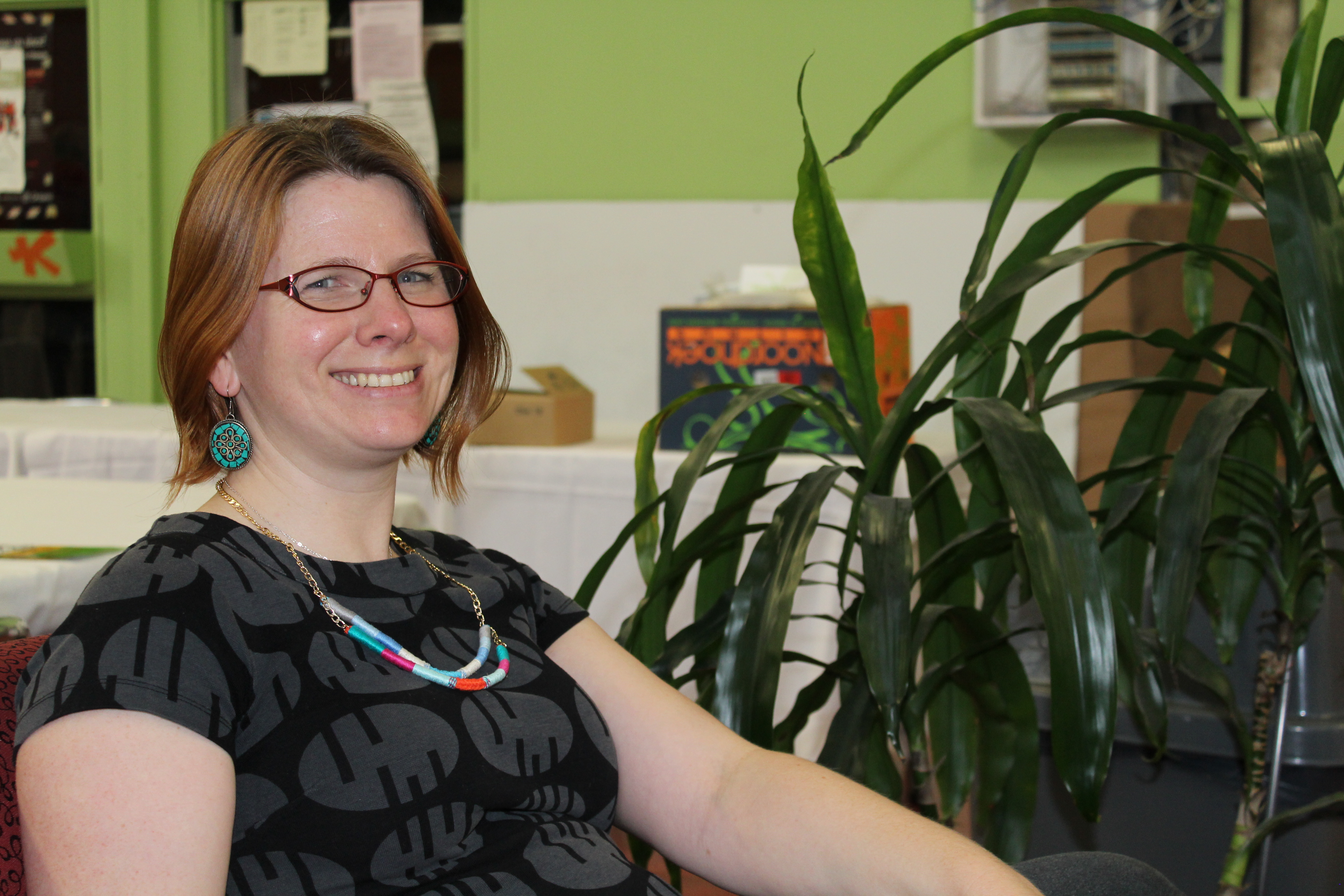 Meet Rowena Power, our Director of Food Distribution. With a passion for helping others and making a difference in her community, Rowena was drawn to North York Harvest because of the progressiveness in food bank programming. She loved how clients are able to access so many additional services and get the one on one attention they deserve. In her role, she is the link between NYH and all of the member agencies we work with. She is there to provide support, training and even just a listening ear to all the agencies that we work with. She refers to them as the “hands and heart of the organization”. Rowena told me about some of the incredible programs that run in this city for people in need.

With your help, some amazing things happen in your neighbourhood, like:
Those are only a few of the amazing services offered to people in your community. I have noticed that the NYH network has so much to offer the community and how incredibly intricate these services are for people in need in Toronto. I’m amazed when I see the hard work, dedication and generosity that staff and volunteers in these agencies give each day to ensure someone else’s life is touched and not forgotten.
Community members come for the food, but stay for the classes, health care, social connection, assistance and more.
Without you, we wouldn’t be able to provide the food and support that keeps these programs running! Thank you for being there for your neighbours in need whether they need something to eat, guidance or even just a friend that will listen to them.

Want to learn more about the programs you reach through North York Harvest?
Donate today to ensure that we can keep supporting these amazing programs within your community!
2-4pm on Monday March 14th and 2-4pm Wednesday March 16th.
Doorsteps Falstaff
The Average Agency is volunteer run & has limited resources. This year your funds helped us invest in 4 agencies to increase food, enhance client services & empower agencies to serve their community better.
I remember college fondly. Leaving home, living in a new place, and fun with friends. I think I even remember some learning and planning for the future somewhere in there. What most of us don’t think of when we think of university or college is not having enough food to eat. I mean I didn’t exactly eat the best food. There was a lot of mac and cheese, microwave dinners and some other weird combinations of food I cringe to think of now. But never was there not enough. I never had to stress about where my next meal would come from.
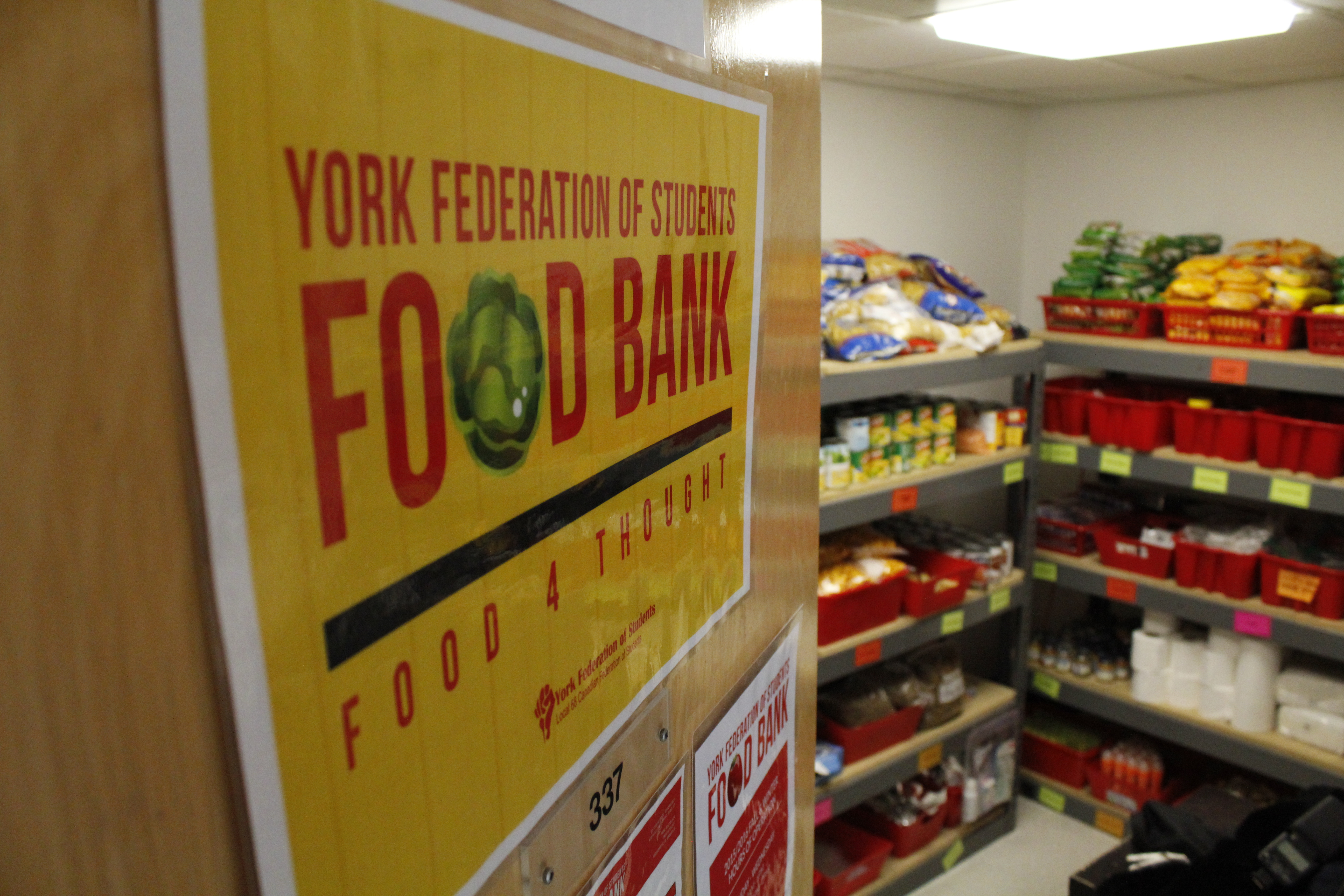
Unfortunately today, more and more students across our country are finding themselves in university thinking more about how they will afford to eat than about their studies. Right here in our city all our universities have had to open food banks right on campus. More than 800 York University students need to access the Food 4 Thought campus food bank weekly in order to feed themselves.
 I had the chance to talk with Niraj Maharaj, Student Rights and Support Services Coordinator for the
York Federation of Students about this the other day. You see back in 2010, Niraj and his friend Kemba, working at York, realized many of the students they were working with were also food insecure and they knew they had to do something about it.
Growing up, Niraj shared with me that he felt he was lucky. Even though he came from a single parent household, they always had enough food on the table and did not go hungry. His mother felt it was very important that he and his siblings were grateful for everything they had. Many weekends and holidays were devoted to volunteering in the local soup kitchens and participating in food drives. This is a lesson that Niraj has taken with him throughout his life.
Niraj’s job in Advocacy Services was to advocate for students who facing disciplinary action for misconduct, connect students with tutoring when they were struggling in classes or support them for other issues that would arise at school. Niraj was there to lend a helping hand. He eventually began to notice a trend among the students that he was working with. Many of confided that even with OSAP, scholarships and jobs, they were not able to afford enough food to get by. The combination of hunger and their incredibly busy schedules was leading many students to make poor academic choices.
Niraj and Kemba began running food drives to support their fellow students. Their efforts quickly snowballed. They were surprised to see how many people at York rallied together to ensure their fellow classmates could get access to enough food. The Food 4 Thought York University Food Bank was born.
Today the program sees 40-50 students in need of food every day.
When the food bank was just beginning, Niraj told me that many students were embarrassed to use the program. “They were worried that their peers or teachers would find out. But as the years have gone by the students at York University have been having open discussions regarding food insecurity. This has helped with the stigmatization many people feel about using a food bank. Students are realizing that they are not alone when it comes to hunger. If someone is still uncomfortable, I will refer him or her to a food bank that is off campus.”
Niraj told me that the best part of the job is seeing how grateful people are for the help they have received. “Many students stop by in their cap and gown after graduation, some with their families, to express thanks for the service. I’ve been told by many people that they wouldn’t be able to graduate if it weren’t for the food bank”.
However, graduation does not necessarily mean an end to food bank use. Unfortunately, many students will need to continue using food banks for years to come. “It used to be that once you had an education you could go out and get a job and support yourself and your family. But these days an education doesn’t guarantee you a job anymore,” says Niraj.
As students are graduating, they find it difficult to secure well-paying jobs to cover rent, other expenses and the new debt incurred from attending university. Continuing to use a food bank until one can hopefully find a job that pays enough is not uncommon for many students, especially those without strong family support. Even those with families in the city, often come from homes where parents are just making ends meet.
“The issues around food security, income, and tuition are vast and not going away any time soon but in the mean time we will be here to support our student community so that people who need food can access it.”
Without your help, community food banks just like Food 4 Thought would have to close their doors. Hundreds of students would go hungry and be forced to drop out of school.
Niraj saw the need to help others in his community and you can too. Not all of us can start a food bank, but there are many ways to contribute to make an impact.
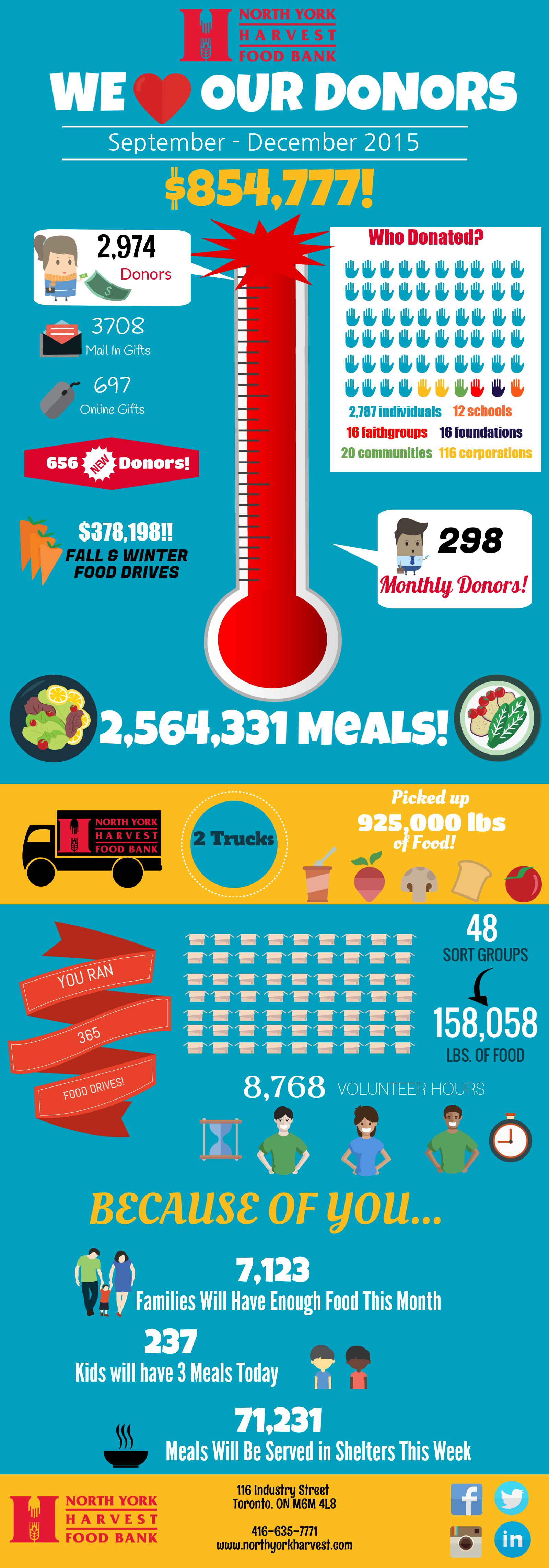
Thank you so much for making the end of 2015 amazing! Because of you we were able to provide 2.5 MILLION meals to people that are hungry in Toronto
Would you like the PDF? CLICK HERE!
Don’t miss out on our exciting Enewsletter each month! Sign up here:
We are incredibly grateful for the thousands of pounds of food items that you have donated! Most donations that come into the food bank are non-perishable. These non-perishable items go a long way to ensure that our neighbours have enough food to eat.
You might be wondering what non-perishable items are used and needed the most. Well, all donations made to the food bank are important, but there are some items that are requested more by food bank clients.
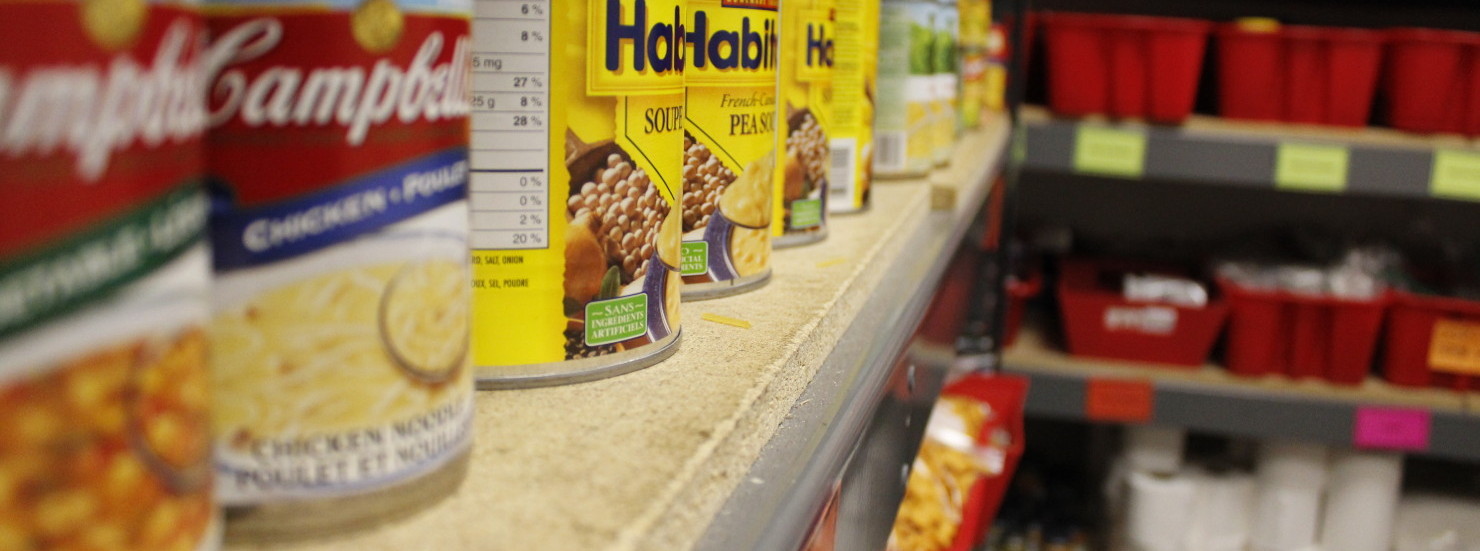
Most requests are for canned fish, pulses (beans and lentils), canned tomatoes and rice.
But why are those items requested more so than others? Here’s a little more about information and some awesome recipes!

When it comes to non-perishable meat products, canned fish can’t be beat. Fish is high in Omega-3 fatty acids, which aid in brain health, lower blood pressure and reduce the risk of cardiovascular disease. It is also a great source of lean protein, which is essential for cell growth and maintaining one’s muscle tissue. Reduced sodium varieties are preferred as canned fish can contain too much salt for some people. Canned fish can easily be added to salads and pastas for a convenient way of incorporating it into a diet.
For a tuna salad without the mayo and the added health benefits of avocado – try this Avocado Tuna Salad
Make a quick and delicious dinner using items from the pantry with Garlic Salmon Linguine for just 67 cents per serving
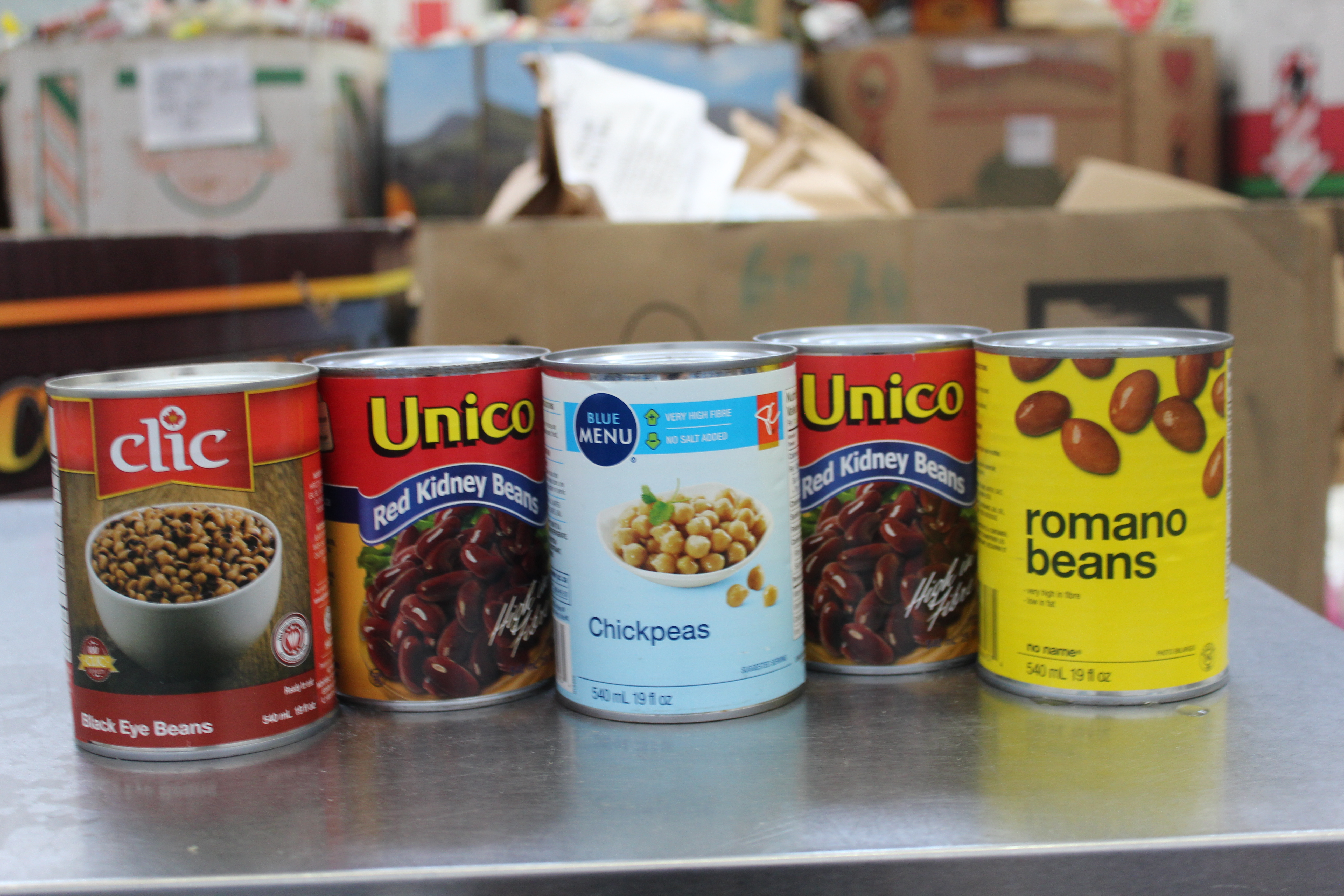
It’s official! 2016 has been named the year of the pulse. It’s not hard to see why; these economical beans and lentils are nutritional powerhouses. The are extremely high in fibre and vitamins and minerals including zinc, iron, magnesium and B vitamins. Pulses can also reduce “bad cholesterol” which decreases one’s chance for heart attack or stroke. They are also a fantastic source of protein.
Warm up when it’s cold outside by making this super simple Lentil Soup
Brownies made with beans? It’s true – delicious and healthy; try this Black Bean Brownie recipe!
Try something a little different with these Chickpea Burritos
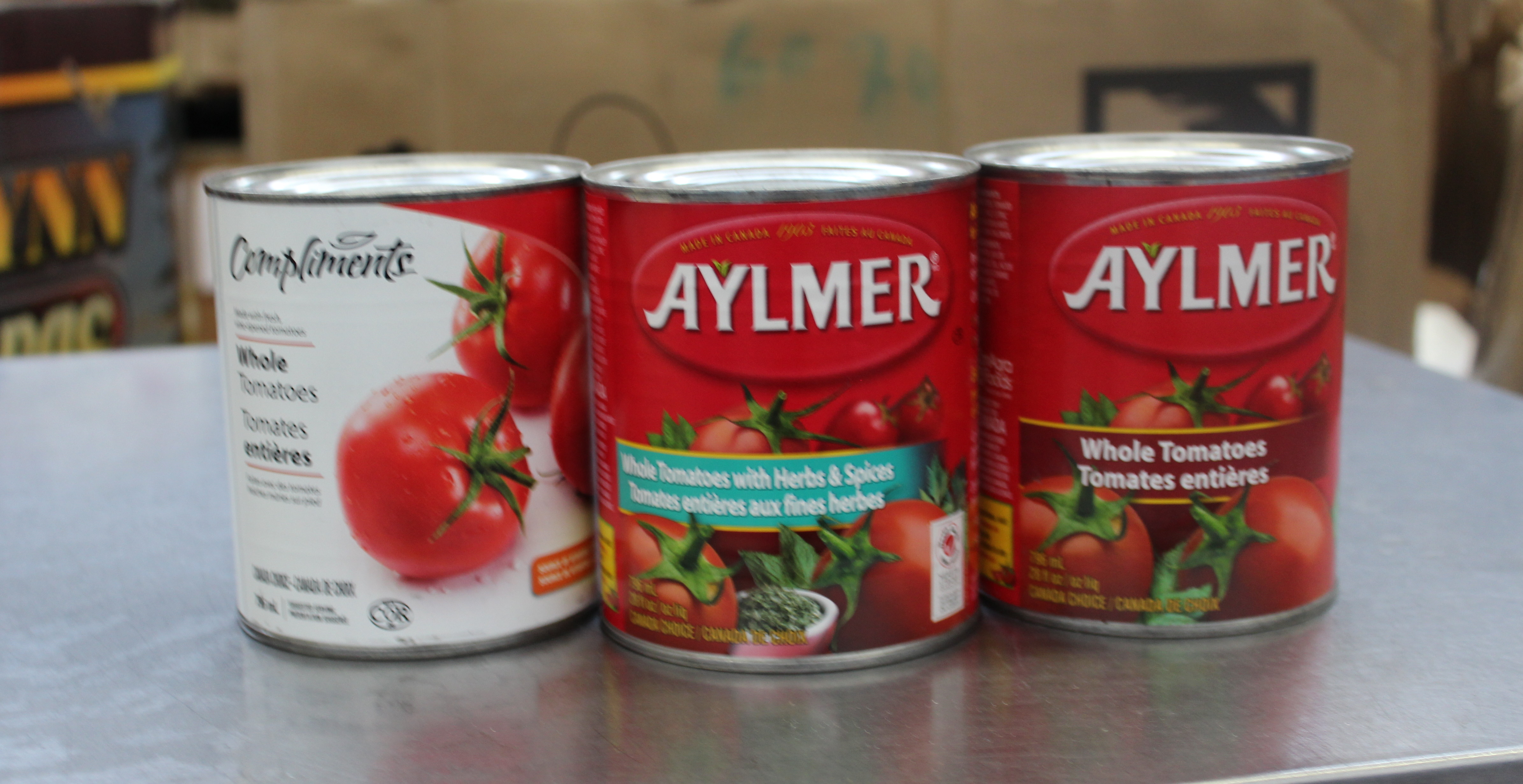
One of the best canned produce items is canned tomatoes. Unlike other canned produce, canned tomatoes can retain their flavour, allowing them to be used in many recipes for breakfast, lunch and dinner. These are a great staple for soups, sauces, chili and many other recipes. They are also high in lycopene, which is a powerful antioxidant.
Have some comfort food with this Creamy Tomato Mushroom Pasta
This Potato and Cauliflower Curry is a great way to try out some spices in your spice rack.
Use your beans and canned tomatoes in this Vegetarian Chili
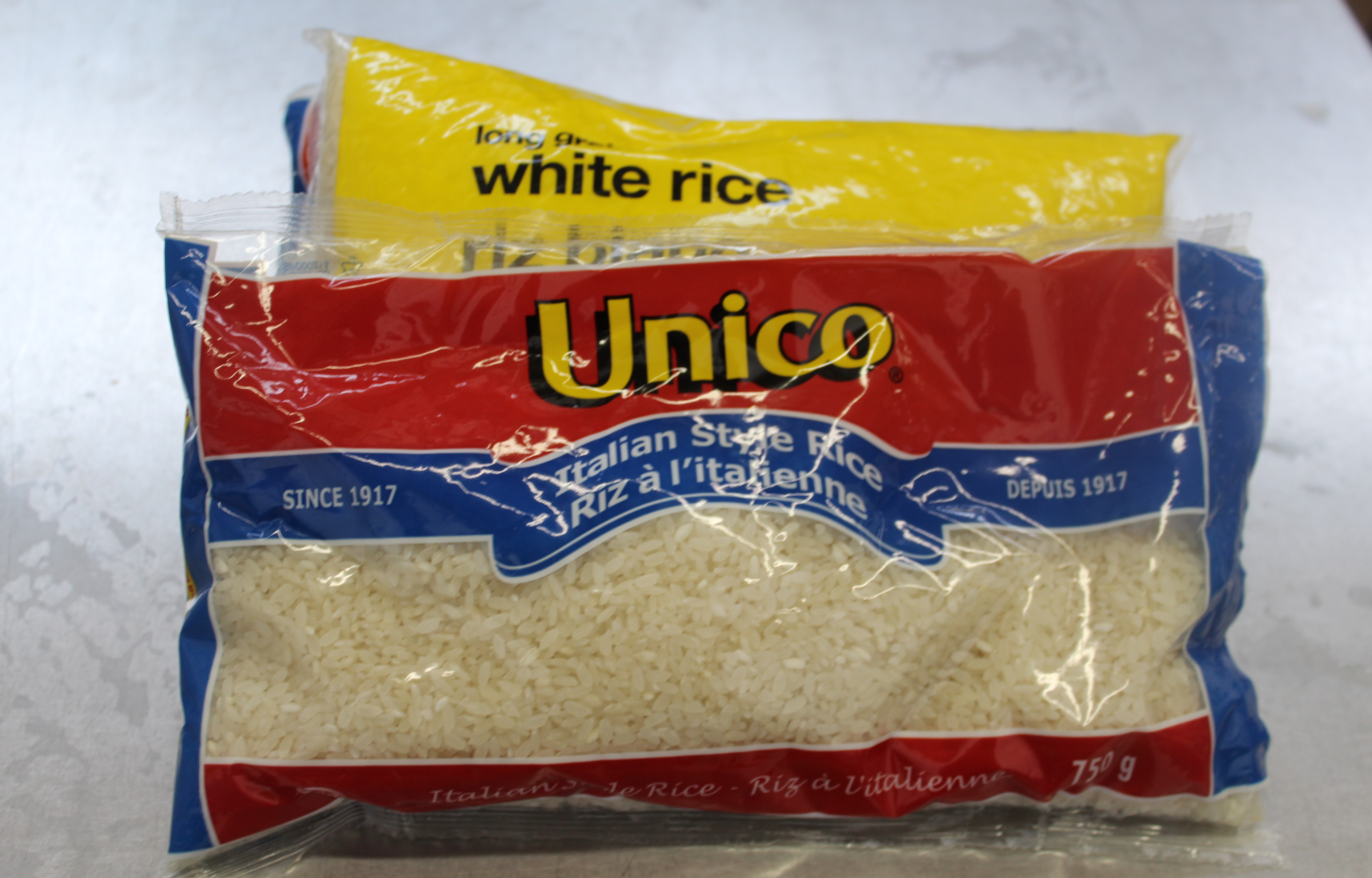
Rice is a very conventional and easy to prepare food item. It is also a great source of vitamins and minerals such as niacin, vitamin D, calcium, fiber, iron, thiamine and riboflavin. These vitamins and minerals promote a healthy body by supporting the immune system and regulating a person’s metabolism. Rice is also a great source of energy.
Impress your family and friends with this Creamy Risotto
Try your hand at making your own Sushi, it is economical and a lot of fun to try!
For a basic and easy dish for any night of the week, try this Brown Rice Tofu Stir Fry

Families right in your neighbourhood are always in need of these basic pantry items. If you would like to donate groceries, please visit one of your local fire halls or grocery stores. Aside from the items mentioned above, you can check out our list of suggested food donations here.
Curious about what else goes into a food hamper? Learn more about the Build a Hamper Food Purchasing Program that helps all children, parents and seniors have access to items like fresh fruits, vegetables, eggs and more.